Chapter 1: Business management
Finding Structure in Chaos
In the world of entrepreneurship, chaos is the default state. Projects multiply, ideas come faster than execution, and your calendar fills up before you can catch your breath. Over the years, I’ve learned that management isn’t about removing that chaos, it’s about recognizing its rhythm and learning to ride it. Much like a surfer doesn’t fight the wave, a good entrepreneur learns to move with it.
As someone who studied Sports Management at the University of Ghent and has spent over 15 years in entrepreneurship, I’ve come to see management as both discipline and mindset. At its core, it’s about clarity: knowing what matters, what needs to be done, and how every part fits together. It’s organizing energy into progress.
This website is here to help you navigate through different aspects of business and find insights and tools to help you navigate the chaos better.
The Four Pillars of Management: POLE
I like to think in straightforward models. In management, few are more solid than POLE: Planning, Organizing, Leading, Evaluating. It’s simple, but carries a lot of depth.
Planning
Planning means seeing ahead – not just knowing what you want to achieve, but mapping how to get there. Whether it’s a marketing launch or a new client onboarding, planning defines direction.
Organizing
Organizing is where plans take shape. It’s where you decide who does what, what tools to use, which deadlines make sense, and how to structure your workflow so it stays sustainable.
Leading
Leading is the human part. It’s less about authority and more about communication – helping others (or even yourself) stay aligned, motivated, and adaptable. Leadership means identifying strengths and letting people grow into them.
Evaluating
Evaluating closes the loop. It’s about measuring outcomes and refining the system. What worked? What didn’t? Where’s the friction? This is where metrics, dashboards, and KPIs earn their place.
Execution Above All - The Henry Ford Principle
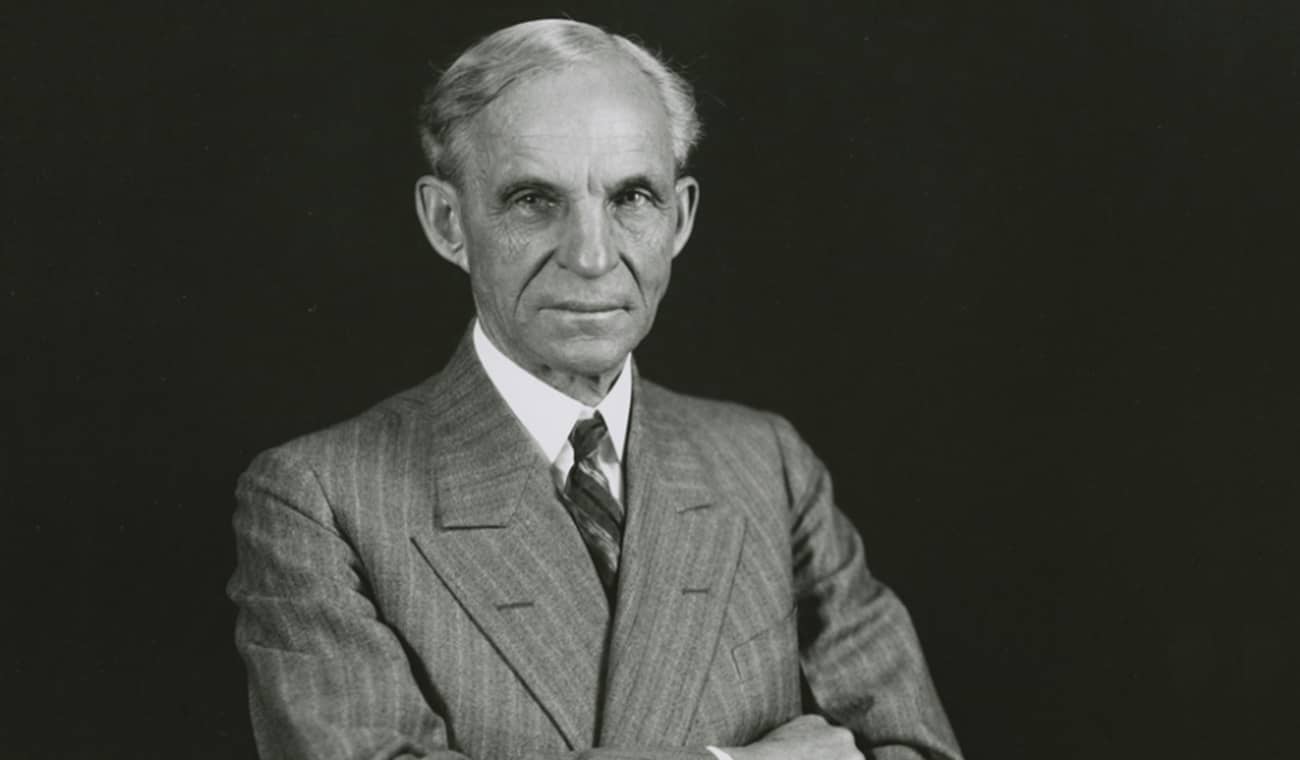
Henry Ford once said: “Nothing is particularly hard if you divide it into small enough tasks.” I live by that. In theory, every project looks manageable. But real management lives in execution – in assigning the right actions, breaking down goals into motion, and keeping momentum.
The biggest mistake I see? Overplanning. People build beautiful systems, but they don’t move. Real success comes from the balance between precision and action. Create a plan that’s realistic enough to be executed, then refine it as you go.
When I run into friction, I always ask myself: If you can’t act on it today, it’s too big.
The Structure of a Business: The BI-Triangle
There are many business models out there. All designed to help you navigate the chaos and find structure. I actually wrote my final thesis about the use of these models within the field of sportsmanagement.
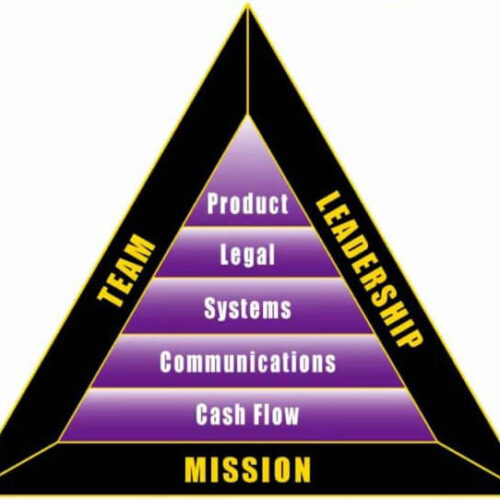
Robert Kiyosaki’s B-I Triangle is one of my favorite frameworks for understanding how a business really functions. It breaks down a thriving organization into core components. I’ve been using this one since about 10 years to organize my Drive.
Each piece affects the others. Systems connect everything – they’re the invisible highways that let your ideas, teams, and operations move in sync.
Whether you’re a solo founder or leading a small company, these principles keep the core strong. You can’t manage what you can’t measure. Good systems give visibility; great systems give freedom.
The Power of Systems and Tools
Management isn’t a philosophy but a practice. To translate ideas into consistency, you need the right operational architecture.
For me, tools like ClickUp are essential. They represent what modern management should be: agile, clear, and customizable. With the right setup, it becomes more than a productivity app – it becomes the digital backbone of your business operations.
ClickUp helps bring together your planning (tasks), organization (spaces), leadership (communication), and evaluation (dashboards). One system, one source of truth.
Management and operations aren’t the glamorous side of entrepreneurship, but they define how far you can actually go. Growth doesn’t come from ideas – it comes from implementation. Every time you structure chaos a little better, your business gains momentum.
I often say that success isn’t about doing everything right; it’s about doing the right things repeatedly. That’s operational excellence – knowing your rhythm, building your system, and owning your process.